




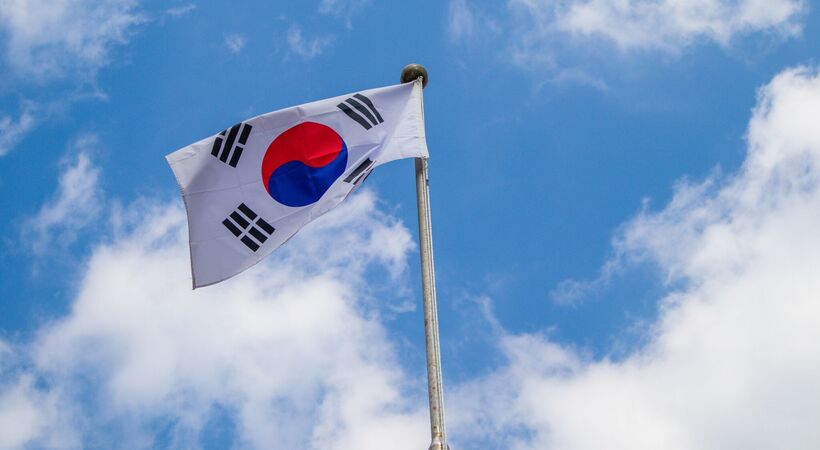
According to a report in The Korea Times, South Korean steel giant POSCO has completed construction of the largest electric arc furnace (EAF) in the country.
The new furnace can be found at POSCO's steelworks in Gwangyang, South Jeolla Province and outputs an annual production capacity of 2.5Mt.
Construction of the EAF started in February 2024 and, claims The Korea Times, is 'part of the company’s broader strategy to respond to tightening global decarbonisation policies and rising demand for low-emission steel products.'
In price terms, POSCO's new EAF was built with around 600 billion won in investment. Around 270,000 workers were involved, it is claimed.
POSCO estimates that the EAF process can cut carbon emissions by up to 75% compared with the average emissions generated with the conventional blast furnace which was in operation between 2017 and 2019.
To enhance the quality of EAF-produced steel, says The Korea Times, 'the company is advancing its proprietary hot metal-scrap mixing technology, which blends output from both blast furnaces and electric furnaces during refining. The approach is designed to maintain high-grade steel standards while lowering emissions.'
POSCO's chief aim is to commercialise advanced steel products, including automotive steel sheets and electrical steel, by 2030.
“The EAF completed today is more than just an additional facility. It reflects POSCO’s commitment to tackling the global decarbonization challenge and reshaping the competitive landscape,” POSCO Group Chairman Chang In-hwa described the new EAF as 'more than just an additional facility'. He said it reflected the company's commitment to tackling the global decarbonisation challenge and 'reshaping the competitive landscape'.
The Korea Times claims that POSCO has designated EAF-based premium steel as one of its eight strategic product categories and has established a task force spanning research and development, production and sales to accelerate commercialization.
It is also pursuing transitional decarbonization technologies within existing operations, including hydrogen injection into blast furnaces and improved converter processes.
The newly completed EAF will play a bridging role until hydrogen reduction technology reaches commercial scale.
POSCO is currently advancing plans for a 300,000-ton HyREX pilot plant, with commercialization targeted by 2030. HyREX uses hydrogen to produce direct reduced iron, then melts it in an electric smelting furnace.
Source: The Korea Times, 18 June 2026.
