




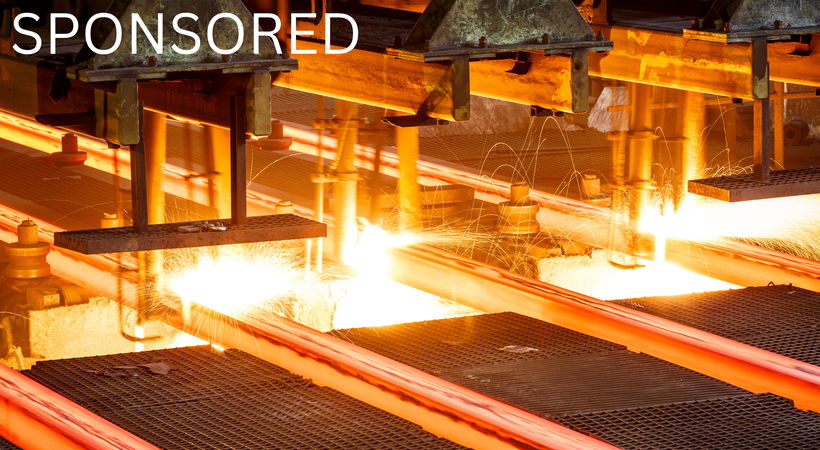
Advanced technologies like XRF, OES, and PAT optimize steel production by improving raw material usage, process efficiency, and recycling. Read how these and other technologies from Thermo Fisher Scientific help ensure high-quality standards, real-time monitoring, and environmental compliance, contributing to a sustainable and low carbon steel industry.
Advancing clean steel manufacturing with modern technologies
The push towards low carbon steel production is critical in the fight against climate change. Advanced technologies like XRF, OES, and PAT optimize raw material usage and improve process efficiency, reducing the carbon footprint of steel production. Real-time monitoring allows for immediate adjustments that enhance process efficiency and reduce waste.
Analysis is crucial to quality steel
Advanced elemental analysis technologies like X-ray Fluorescence (XRF) and Optical Emission Spectrometry (OES) help ensure the purity and quality of raw materials used in steel production. Laboratory XRF analyzers are commonly used in low carbon steel production for slag analysis.
Recycling is key in steel production because it can reduce the need for virgin raw materials and the associated environmental impact. Efficient scrap analysis and material verification technologies, like handheld XRF analyzers, help ensure recycled steel meets high-quality standards, making it viable for sustainable steel production.
Spectrometers using spark OES offer high sensitivity for detecting trace elements, ensuring that even small impurities are identified and managed. This is crucial because trace elements can significantly affect steel properties. By employing this technology, manufacturers can not only control these impurities, but also monitor the level of main and alloying elements with high accuracy, ensuring the final product meets stringent quality standards and assuring the material to be casted is within grade limits specifications. This sensitivity is particularly important in applications where steel’s purity and consistency are critical, such as construction, automotive, and aerospace industries. In addition to that, also non-metallic inclusions can be monitored simultaneously with the full elemental analysis.
Process Analytical Technology (PAT) integration, such as Prompt Gamma Neutron Activation Analysis (PGNAA) and Pulsed Fast Thermal Neutron Activation (PFTNA), enhances quality control. These technologies provide real-time, online analysis of bulk materials, enabling continuous monitoring and control of raw materials and intermediates. An online elemental analyzer provides real-time data, essential for immediate production adjustments, reducing waste, and improving efficiency.
In hot and cold rolling processes, precise gauging systems help ensure steel meets specifications for thickness, width, hardness, and strength. These systems use advanced sensors and control mechanisms to continuously monitor and adjust the rolling process, minimizing defects and reducing scrap. This precision is essential for producing high-quality steel products while maximizing mill yield.
Monitoring is a must
As global demand for steel rises, so does the need to produce it in a way that minimizes environmental impact and conserves resources. Environmental monitoring technologies help ensure steel manufacturing processes do not negatively impact the environment. Air quality monitoring systems track emissions of pollutants like sulfur dioxide and nitrogen oxides, ensuring compliance with environmental regulations. Radiation detection systems prevent contaminated scrap metal from entering the production process, safeguarding both steel quality and worker health.
Conclusion
Overall, advanced technologies support clean and low carbon steel manufacturing. Thermo Fisher Scientific offers these technologies, from elemental analysis and real-time process monitoring to rigorous environmental monitoring, which can help enhance the quality, efficiency, and sustainability of steel production. By adopting these solutions, steel manufacturers have the opportunity to meet the growing demand for high-quality, clean steel, and contribute to a more sustainable, environmentally friendly industry.