




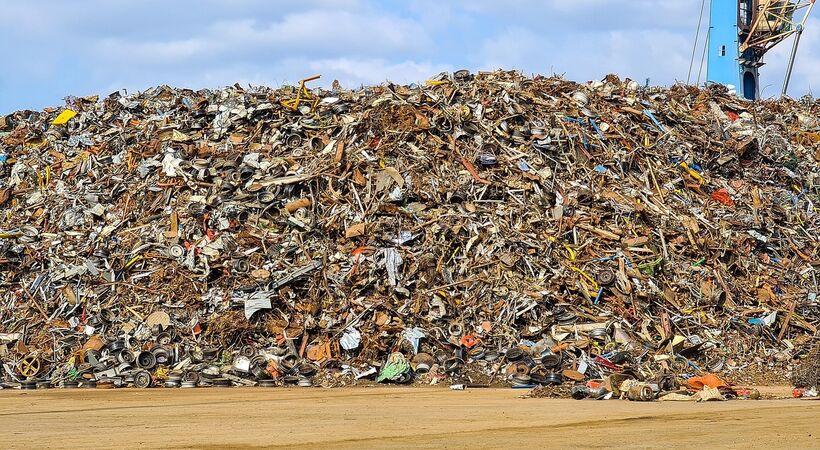
The Circular Steel Sub-Committee, in conjunction with UK Steel, has released a report urging governments to unlock the full economic and environmental potential of scrap.
The report, titled: Circular Steel: Strengthening the UK’s Industrial Supply Chain, highlights the issue that it is currently cheaper to export steel scrap and import steel products made abroad, rather than process the scrap and manufacture the steel goods from it domestically.
Jacob Hayler, chair of the Circular Steel Sub-Committee, said: “The UK’s steel scrap resource is one of our greatest industrial assets, but the policy framework that drives the market has not kept pace with the shift to low-CO2 production.”
He added: “[The situation] must change if we are to retain jobs, encourage investment, and support resilience in the UK’s manufacturing base. The UK has the scrap, the skills, and the ambition to be a global leader in circular steel. Benefits for the steel industry, the recycling industry, for jobs, growth and the environment are within our grasp.
“What we need now is coordinated policy leadership to align with national climate, industrial and competitiveness objectives.”
Currently the UK produces 10Mt/y of scrap, with 80% of this being exported and then often returned to the country in the form of finished goods.
However, as the UK transitions to EAF technology for steel production, high-quality scrap will become vital to low-carbon steelmaking.
Rajesh Nair, CEO of Tata Steel UK, added: “The UK’s shift to EAF production is a once-in-a-generation opportunity to revitalise UK steelmaking and drive long-term industrial growth. To seize it, we must build a competitive domestic steel scrap supply chain that supports investment, strengthens our manufacturing base, and keeps more economic value in the UK.
“A circular materials strategy, backed by smart policy, will help position the UK as a leader in the global circular steel economy.”
The full report can be found online here.
