




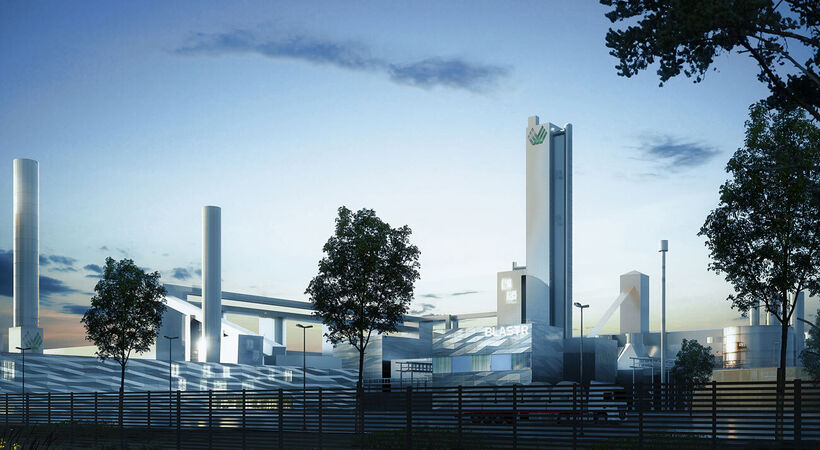
Blastr Green Steel has hit another milestone in developing its green steel mill, receiving a reasoned conclusion on the Environmental Impact Assessment process.
The Uusimaa Centre for Economic Development, Transport and the Environment (ELY Center) issued the reasoned conclusion, an important step in the move toward the final investment decision, on the Environmental Impact Assessment (EIA) process for Blastr’s low-emission steel plant.
With this reasoned conclusion, the project development moves to permitting, which is the next phase of the process. The reasoned conclusion provides a solid foundation for environmental permitting and supports the municipality of Inkoo in finalizing its ongoing zoning plans, says Blastr.
''Over two years of work have gone into these assessments with a large team of experts, while simultaneously advancing the project through detailed technical planning.”
Antti Kaikkonen, country manager, Blastr Green Steel
“This has been a significant undertaking, involving thorough and long-term preparation. I want to thank all parties involved in the process for their excellent cooperation. Over two years of work have gone into these assessments with a large team of experts, while simultaneously advancing the project through detailed technical planning,” said Antti Kaikkonen, country manager for Blastr Green Steel in Finland.
The goal of the EIA process is to identify the project's significant environmental impacts and help to find ways to mitigate them.
The planned steel mill in Inkoo aims to significantly reduce carbon dioxide emissions compared to traditional steel production. Instead of using coal, the steel mill will utilize clean hydrogen in its production process and rely on raw materials produced with clean energy.
“A more sustainable future and a healthier planet is a part of Blastr’s mission.''
Antti Kaikkonen, country manager, Blastr Green Steel
“A more sustainable future and a healthier planet is a part of Blastr’s mission. However, the reality is that all industrial activity generates some environmental impacts, even when the projects are critical for the clean transition,” added Kaikkonen.